

Key takeaways
- In-Line Amplifier (ILA) sites boost optical signals across long distances, keeping EXA’s long-haul fibre network fast, resilient and reliable
- EXA Infrastructure operates more than 300 ILA sites, effectively running 300 micro-data centres in remote or demanding environments
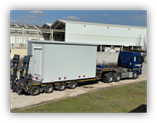
- Modular ILA units come in several models (ETO, CTO, BTO), with steel enclosures that enable quick deployment
- Every site has full redundancy, fire suppression systems, BMS monitoring, and UPS and emergency generators
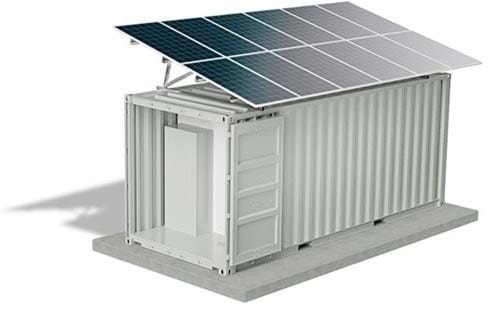
- EXA plans to transition more ILA sites to solar-powered and free-cooling operation across Southern Europe
When people picture digital infrastructure, they usually think of large data centres. But behind every long-haul fibre route is a network of small, powerful, and often overlooked sites: In-Line Amplifiers (ILAs). At EXA Infrastructure, hundreds of these sites across Europe keep our long-distance fibre network fast, resilient and reliable.
Why ILAs Matter
ILAs boost optical signals across long distances, preventing degradation and keeping data moving at high speed. Without well-planned and well-operated ILAs, even the best fibre backbone becomes vulnerable to interruptions and performance drops.
Choosing where to place ILAs is a major challenge — from securing land and permits to establishing power in remote locations. Our Facilities and Regional Network Engineering teams specialise in solving these complexities.
A Distributed Network of Reliability
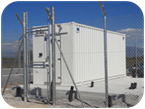
EXA Infrastructure operates more than 300 ILA sites, effectively running 300 micro–data centres in remote or demanding environments — from mountain ridges to forests to industrial corridors.
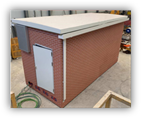
Security and resilience are built in. We always use dedicated, purpose-built facilities rather than retrofitting older telecom buildings. Our modular ILA units follow strict standards and come in several models (ETO, CTO, BTO) to meet the needs of any environment.
Our enclosures are primarily steel, with options to blend into local surroundings. Their modular design enables quick deployment, usually without complex building permits.
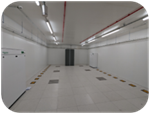
Every site is engineered for strong, consistent performance, with:
- Full redundancy
- Fire suppression systems
- BMS monitoring for power, temperature and more
- UPS and emergency generators for uninterrupted power
Expanding for the Future
As fibre capacity grows, so does our ILA footprint. Each new route brings new ILA cabins, built using standardised modular enclosures for speed and efficiency.
Tomorrow’s ILAs must handle dramatically higher fibre counts while improving energy efficiency and security. Our long-term commitment is to operate our network maximizing the use of renewable energy to continuously reduce our environmental impact. This means, for example, transitioning more ILA sites to extended solar-powered and free-cooling operation across Southern Europe.
Invisible but Essential
ILAs may never make headlines, but they are the quiet backbone of Europe’s digital economy. At EXA, we build them with the same precision and commitment that define our entire network — because every light pulse matters.