
Owned, end to end. The network you can build on.
Subsea and terrestrial fibre across Europe and the Atlantic, owned and run as one meshed network by the same team for 25+ years, and built ahead of the demand you're scaling for.
The network you can rely on.
Terrestrial fibre across 31 countries. 18 subsea cable systems. 500+ PoPs across Europe and into North America.
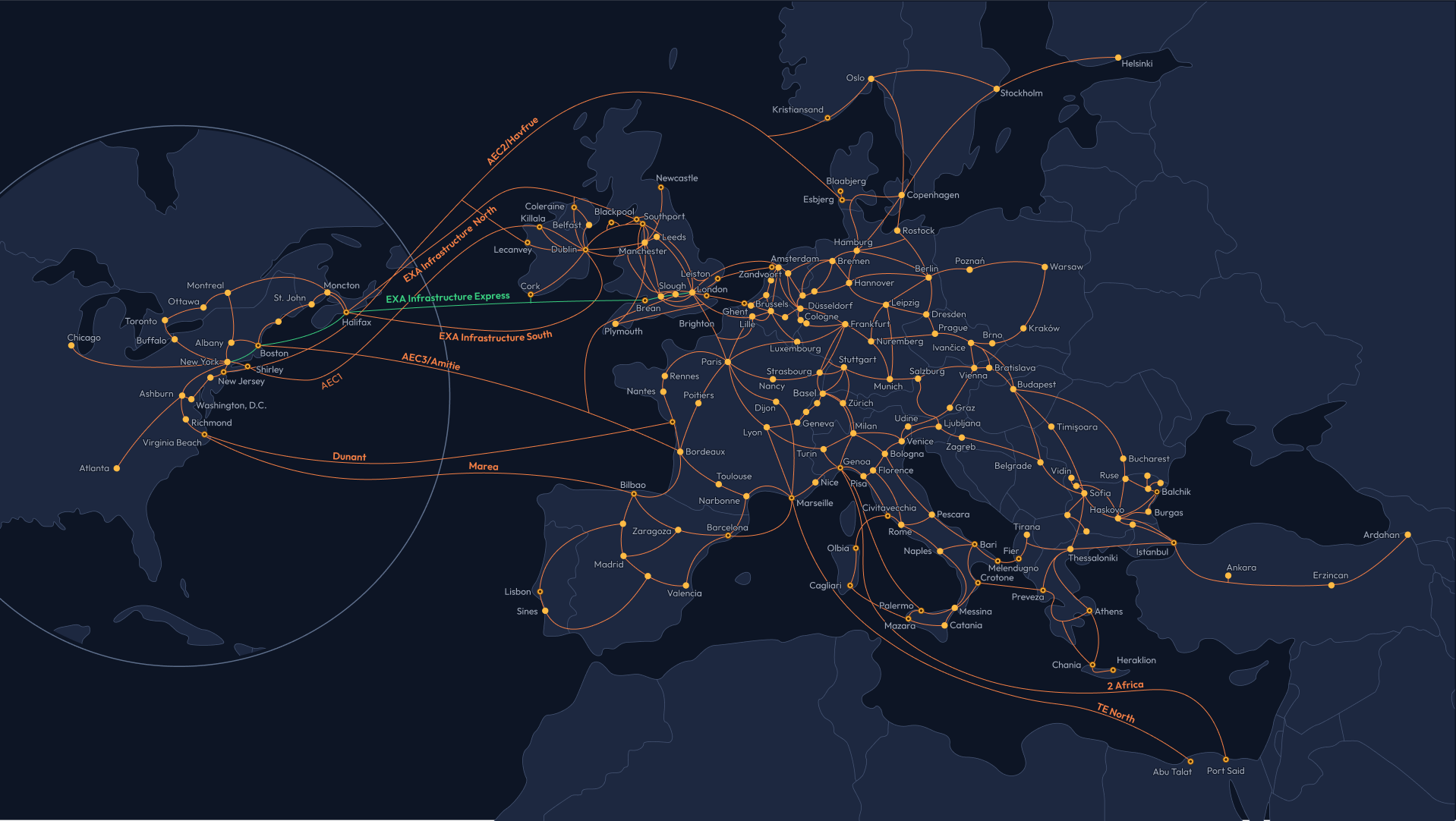
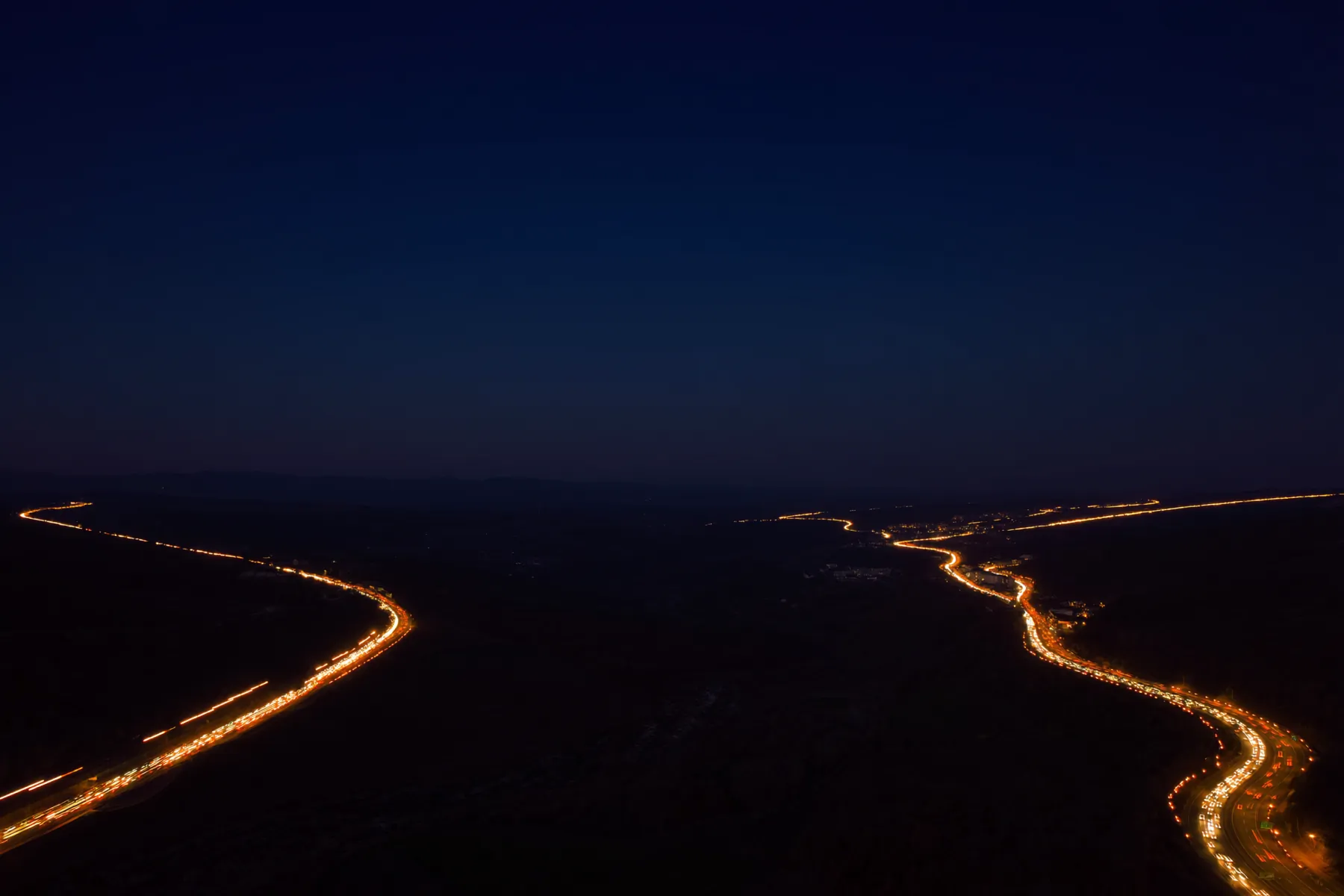
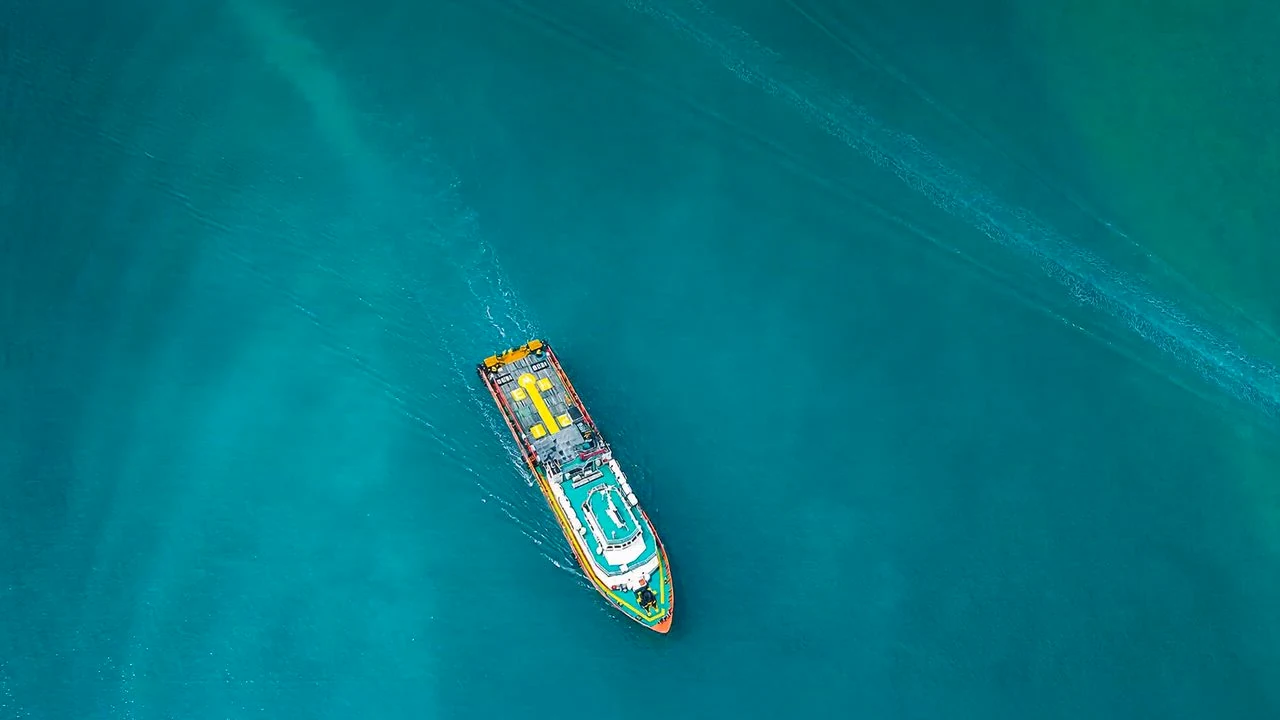
One of EXA's owned transatlantic routes linking the US East Coast directly to Ireland, part of the network EXA now owns end to end, duct to core, with no intermediate carrier risk between landing stations.
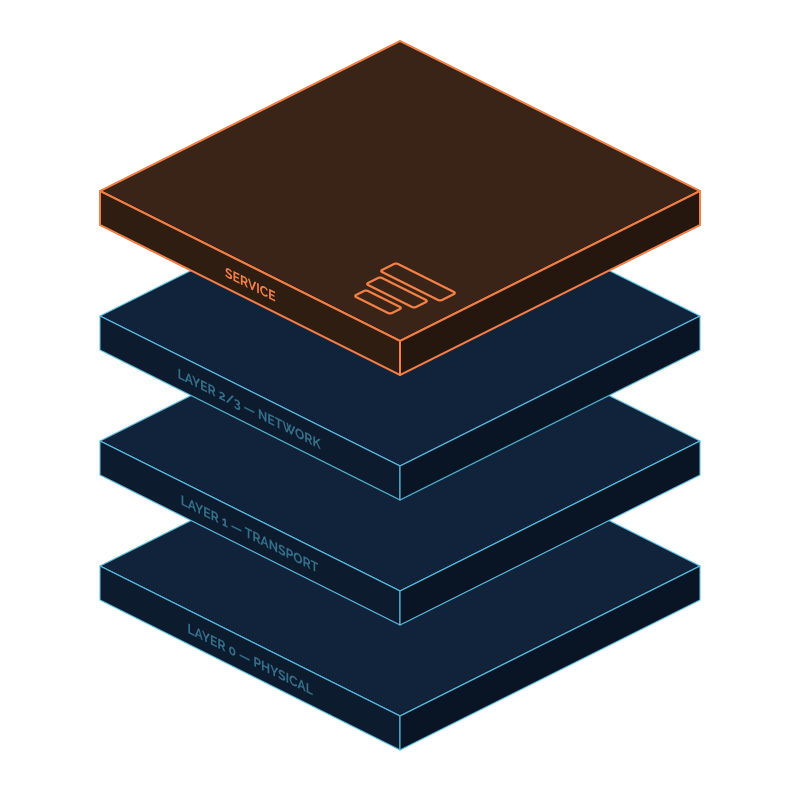
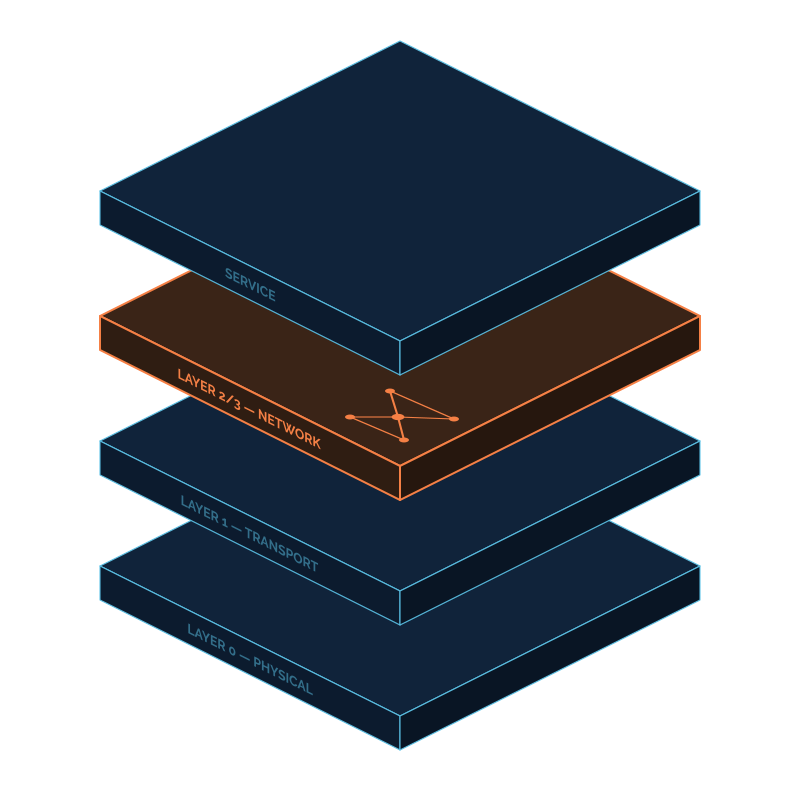
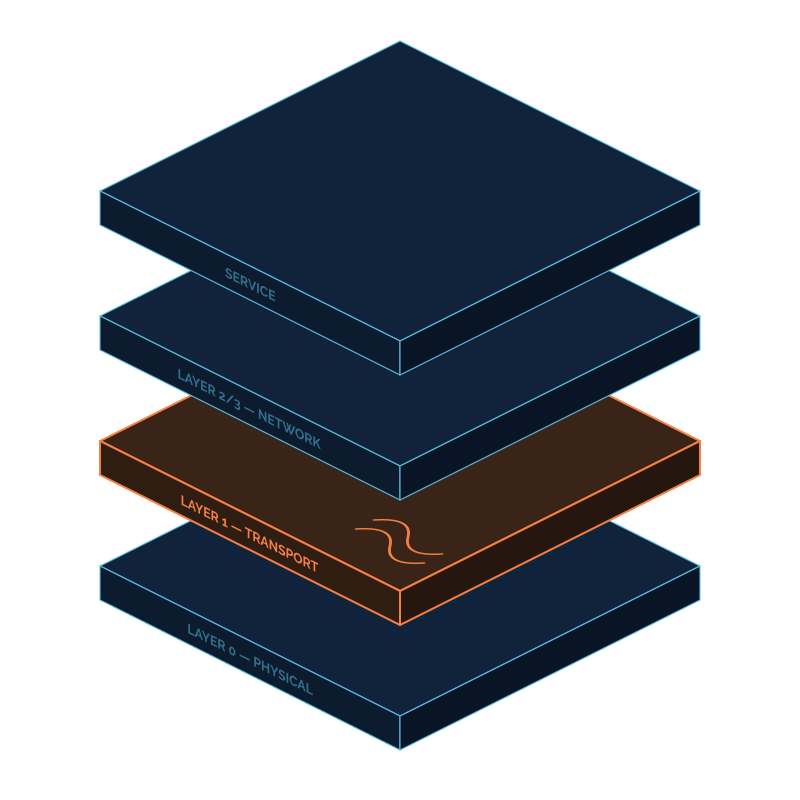
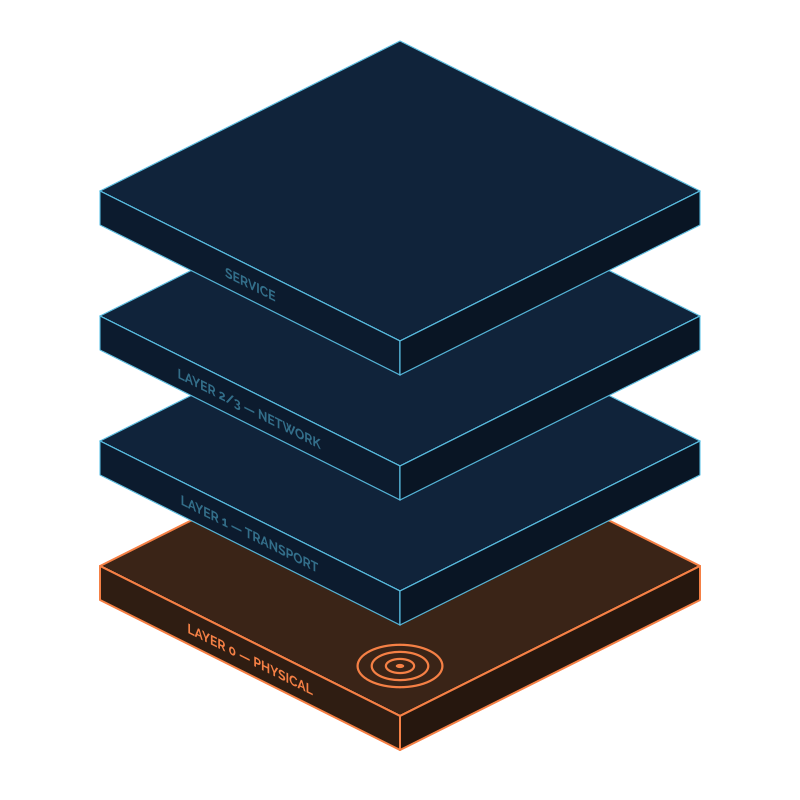
Owned from Layer Zero up.
Most providers start at Layer 1 and build upward into services. We start beneath it, and stop where your services begin.
What you connect to
Layer 2/3: Network
Layer 1: Transport
Layer 0 · Physical infrastructure

Three decisions behind every route.
For decades, diversity meant a backup path and a promise it would hold. AI and cloud traffic has outgrown that. The network is built the way it is because of three choices, each one made before the demand arrived.
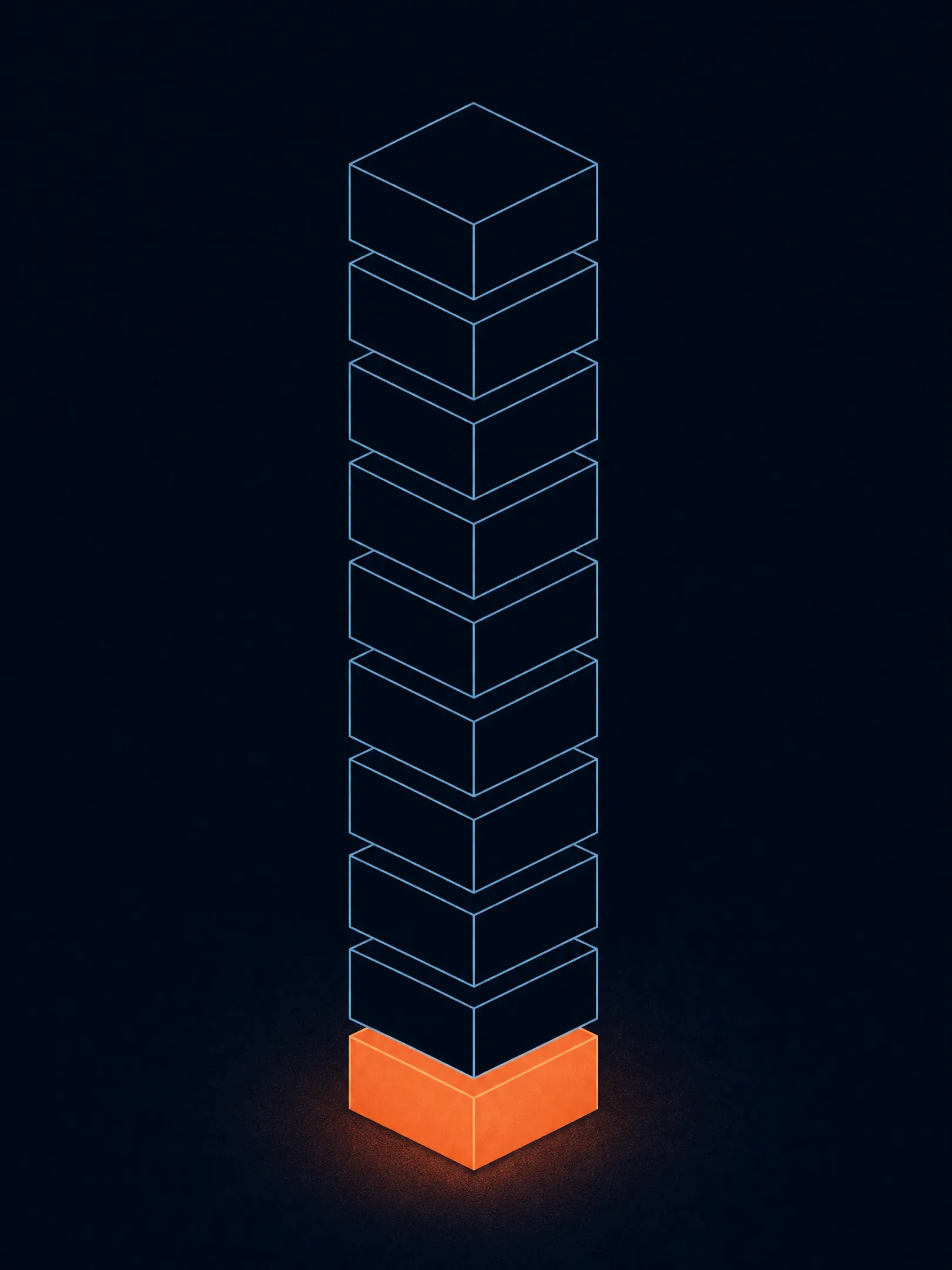
Built ahead of demand
We invest in routes before the traffic exists, so the capacity is there when you need it.
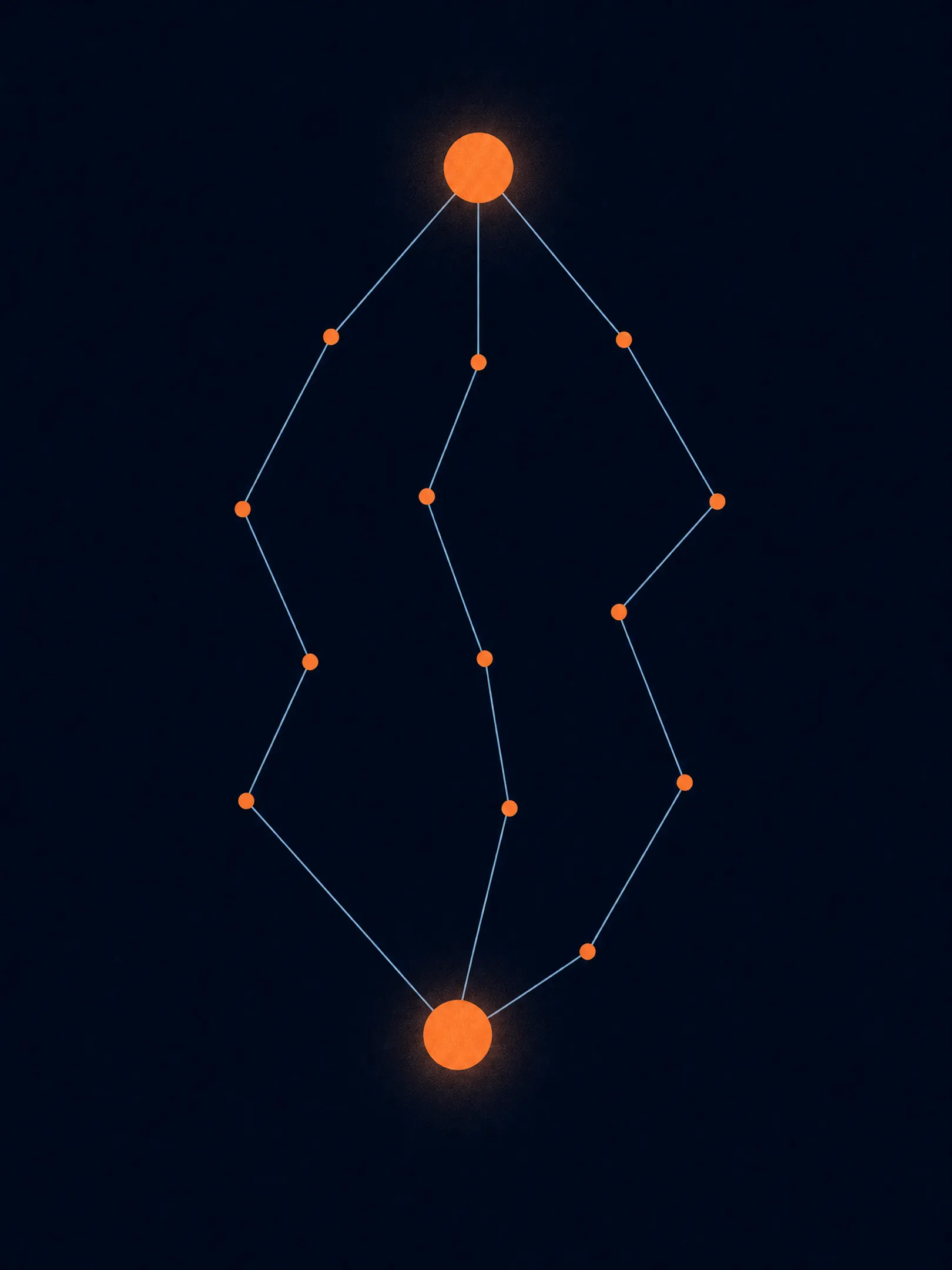
One mesh, many paths
Subsea and terrestrial assets combined into one mesh of interconnected paths, across nine diverse transatlantic systems. Even in the era of AI traffic, data has another way through if a single route goes down.
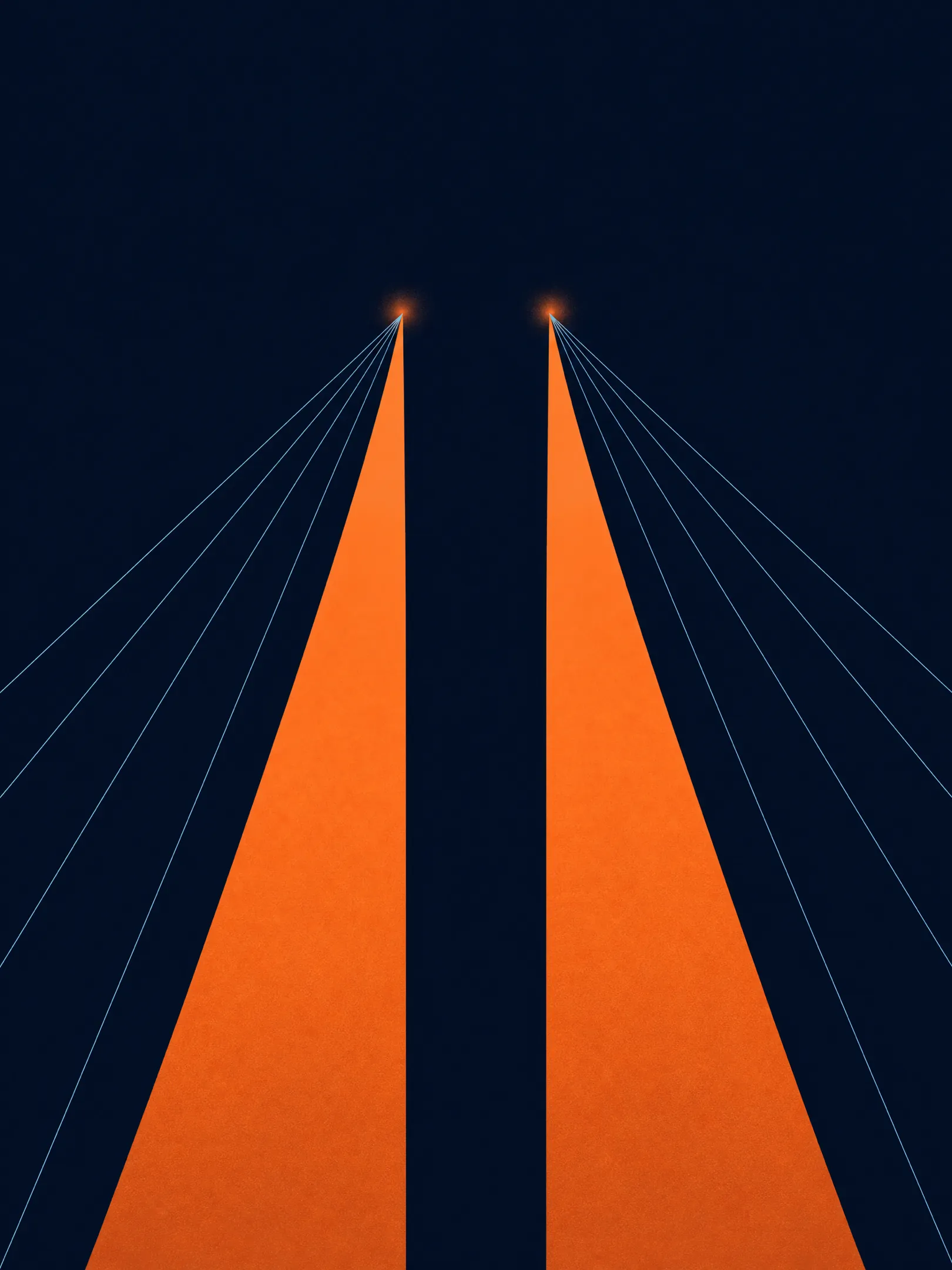
Corridor thinking
Route diversity built around operational resilience, not just geographic reach. Every path is assessed for what it shares with the others, so the alternatives are independent by design.
The advantage of
owning the network.
Before a packet crosses the Atlantic, before a trade executes at sub-60ms, before a new cloud region spins up, it depends on physical infrastructure. Fibre in the ground. Cables on the ocean floor. Landing stations on both coasts. That's the layer we own and run.

A partner, not a vendor.
We don't compete with you for end-user business. You build your services on our infrastructure while we run the network beneath them — one point of contact, one SLA, one NOC.
Resilience by design, not by promise.
We've committed more than €600 million to building new routes on land and under the sea, engineering resilient corridors so that no single event leaves you without a path.

Already where you're going next.
We run Europe's largest long-haul fibre network, reaching the FLAP markets and into the Iberian Peninsula, the Nordics and Central and Eastern Europe. When you move into a new market, you're not waiting on someone else's build.
One network.
Every demand.
EXA Infrastructure operates at the foundation. Whatever your sector, you're on the same physical network, engineered to the same standards and run by the same team.
Cloud, Content and AI
Build what the world connects to. Dark fibre and wavelengths on routes we own and operate, for hyperscalers, NeoClouds and content platforms scaling into new markets.
Carriers and Service Providers
Reach you don't have to build. The Atlantic crossing, the European backbone and the landing points either side, on IRU, lease or managed terms from one operator.
Financial Markets
Trade faster. The two fastest routes across the Atlantic are both ours: sub-60ms London to New York, direct into Slough and Secaucus, with guaranteed service levels.
Government and Critical Infrastructure
Infrastructure for services where downtime isn't an option. Secure routes and facilities for government organisations, local authorities and defence contractors, with the evidence procurement asks for.
The network, in numbers.
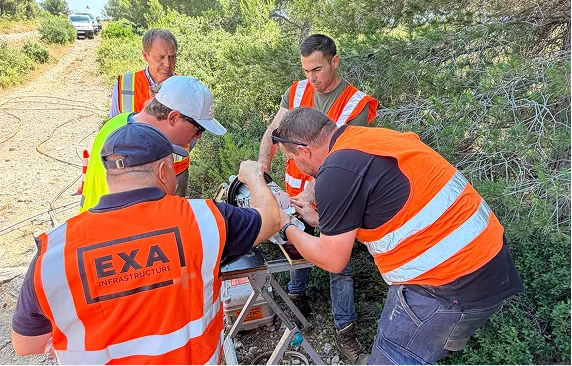
The team, and years of expertise, behind every route.
Digital infrastructure veterans who have spent their careers in this space, not skills borrowed from an adjacent sector. Meet the people who run the network.
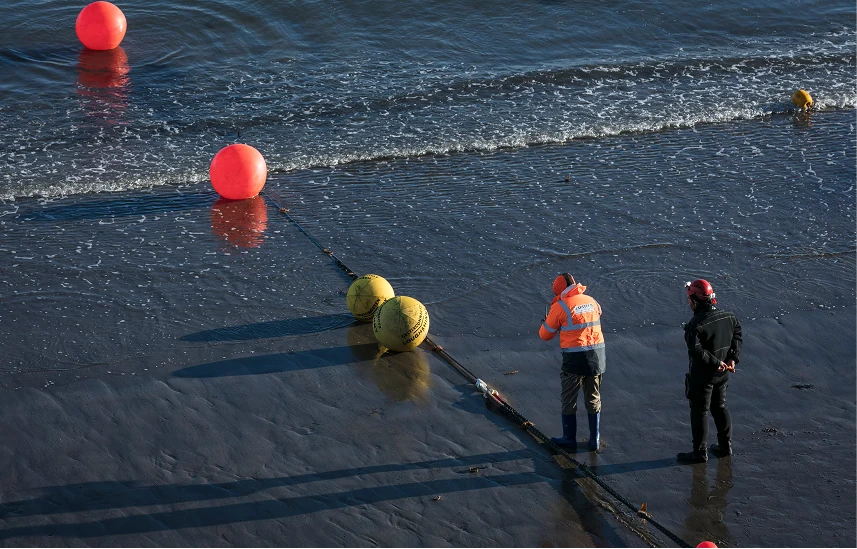
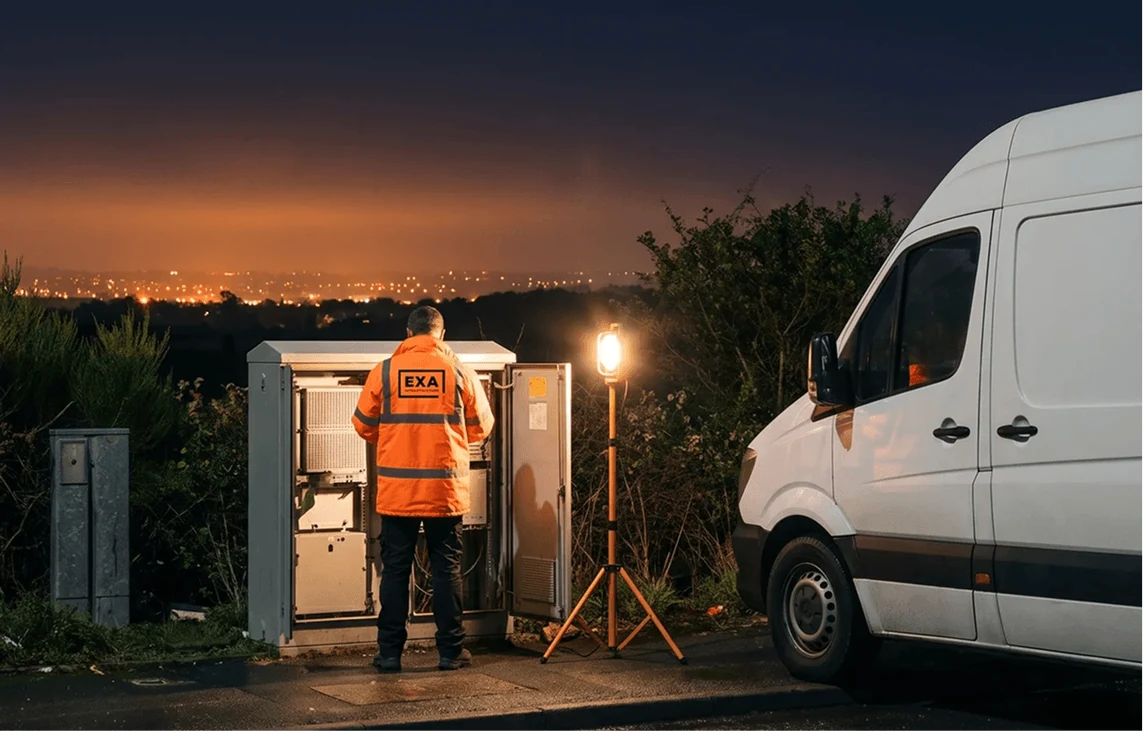
Thinking from the people who run the network.
Introducing EXA Meridian: the next generation of Transatlantic connectivity
EXA Meridian is a next-generation transatlantic cable system that will provide hyperscalers, cloud providers, and enterprises with scalable, end-to-end, high-capacity connectivity by combining subsea and terrestrial infrastructure under a single operator to support the future growth of AI and cloud networks.


Confidence, speed, precision: why cyber resilience depends on infrastructure control
“Confidence, Speed, Precision” reflects a major shift in how defence and government organisations are thinking about cyber resilience. For years, cyber strategy has focused heavily on applications, endpoints and platforms.
Frequently asked questions
Who is EXA Infrastructure?
EXA Infrastructure owns and operates a meshed network of terrestrial and subsea fibre across Europe and the Atlantic: over 180,000 route km, 18 subsea cable systems and more than 500 DWDM PoPs. It is a pure-play infrastructure operator, selling capacity at the physical and transport layers rather than managed services, and has been run by the same team for 25+ years.
Does EXA Infrastructure own its own subsea cable network?
Yes. EXA Infrastructure's network includes 18 subsea cable systems: 6 wholly owned, 6 held in consortium and 6 secured through long-term IRUs, within a network of over 180,000 route km of fibre and duct, owned and operated, all run as one network from EXA Infrastructure's 'One NOC'.
What did the Aqua Comms acquisition add to EXA Infrastructure's network?
Completed in January 2026, the acquisition brought Aqua Comms' transatlantic and Irish Sea subsea systems into the network, expanding EXA Infrastructure's direct ownership across the North Atlantic and adding cable landing stations on both sides of it.
What is a meshed network?
A mesh connects many locations through many interconnected paths, rather than running a single line between two ends. If one route fails, the investment EXA Infrastructure has made in building multiple alternative paths means another route already exists to carry your traffic — resilience engineered into the design of the network itself. EXA Infrastructure's terrestrial and subsea network is built as a mesh across Europe and the Atlantic.
How does EXA Infrastructure approach sustainability?
By prioritising measurable reduction over offset-based claims. Carbon intensity per fibre kilometre is down from 120.35 kg CO2e in 2022 to 101.18 kg in 2025, energy consumption has fallen by more than half since 2022, and emissions are reported across Scopes 1 to 3 under the GHG Protocol.
